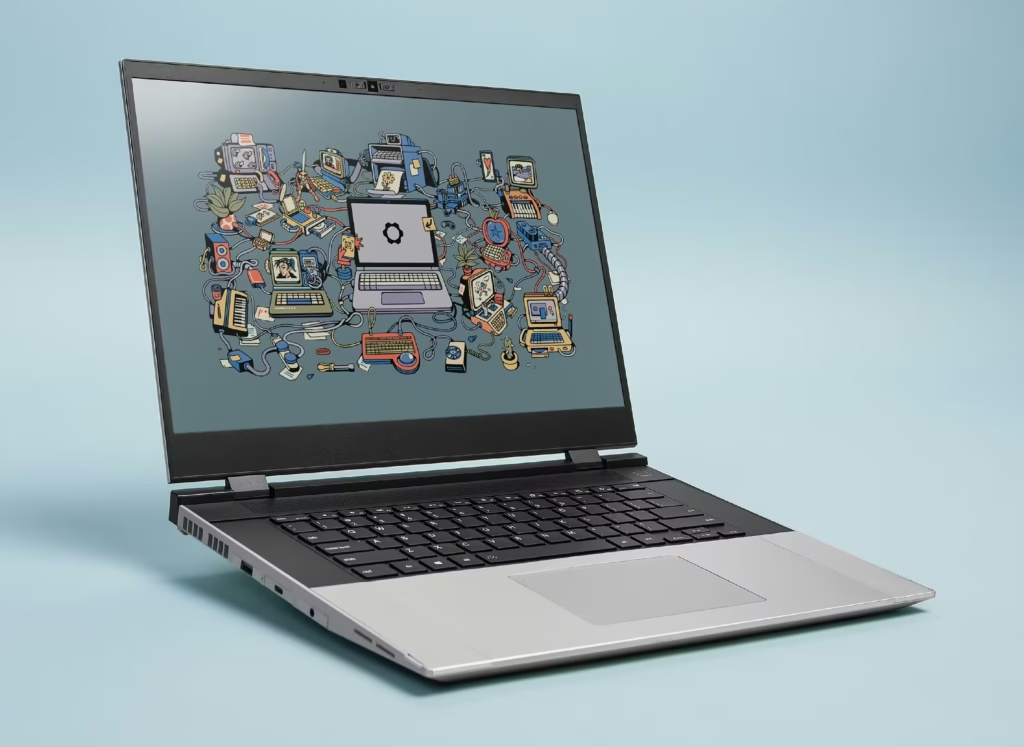

seniorspectrumnewspaper – Framework, the modular PC maker, announced a 50% increase on DDR5 memory for DIY Edition laptops. The company says the new price remains below current market rates. Framework emphasizes that it will only raise prices on new purchases, not preorders or existing orders.
Read More : Mangmi Pocket Max Reveals Design and Display Specs
The company cited skyrocketing memory costs as the reason for the increase. Framework pledges to lower prices when market conditions stabilize. “We are going to stay transparent. Any time we change memory or system pricing, we are going to let you know,” the company stated.
In addition to pricing changes, Framework updated its return policy to prevent exploitation by scalpers. Customers must now return the memory purchased with the DIY Edition laptop alongside the device itself. Last month, DDR RAM was removed from standalone sales to preserve inventory for DIY laptop buyers.
Customers still have options. Prebuilt Framework desktops and laptops are unaffected by the price increase. Users may also purchase the DIY Edition without memory, allowing them to reuse existing RAM or seek cheaper alternatives. Framework continues to leverage bulk-buying advantages to keep prices competitive where possible.
Memory Market Volatility Signals Further Price Changes
Framework warns that memory market instability may lead to additional price increases. “It is highly likely that we will need to make further price updates on both DDR5 modules and on systems that include memory,” the company said. Increases may affect DDR5, LPDDR5X, and GDDR-equipped systems. These adjustments could impact both consumer and enterprise buyers, potentially influencing purchasing decisions and budget planning.
Framework asserts that these price adjustments are meant to cover supplier costs, not increase profit margins. The company previously criticized other PC makers, like Dell, for exploiting rising memory prices to increase margins. Industry sources indicate Dell may raise PC prices by 15-20% by mid-December. Framework also highlighted that price gouging is common among companies such as Apple.
Other PC makers are facing similar challenges. CyberPowerPC recently implemented widespread price hikes due to memory costs. HP currently maintains sufficient memory stockpiles, but expects rising costs to affect margins by May, potentially triggering further price increases and lower-power product options.
Read More : Dell, Lenovo May Limit Mid-Range Laptops to 8GB RAM
Framework’s transparent approach and proactive policy updates demonstrate its commitment to customers amid a volatile memory market. While prices are rising, users still have choices, and the company signals a readiness to reduce costs once supply stabilizes. The situation underscores broader trends affecting the PC industry, emphasizing the impact of global memory supply and demand on consumer pricing.