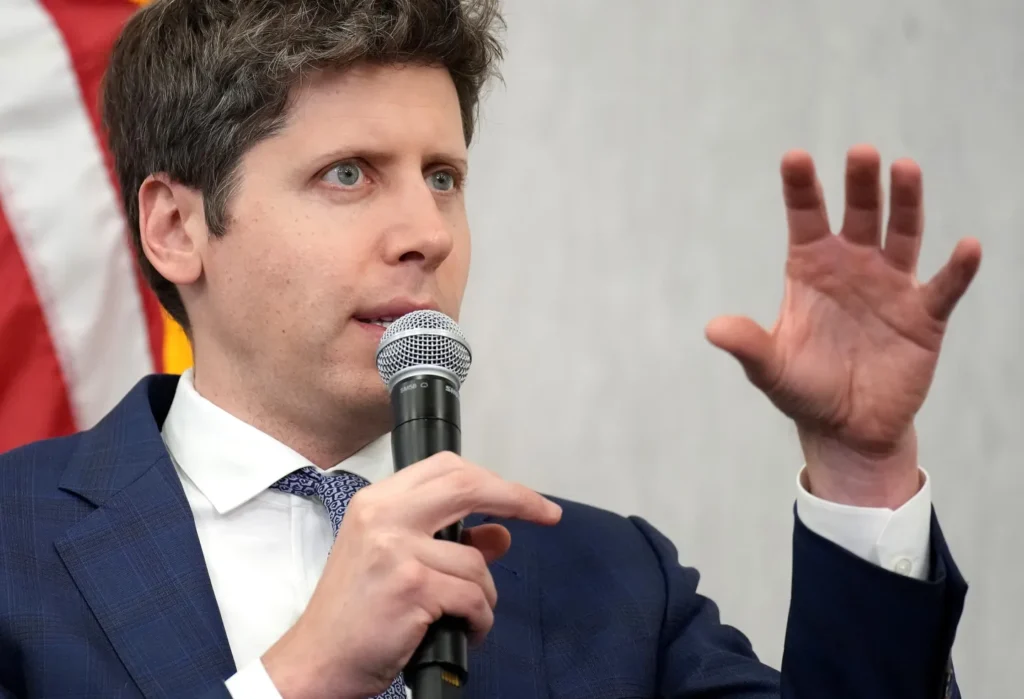

seniorspectrumnewspaper – OpenAI has announced it is hiring a Head of Preparedness as concerns grow over advanced AI systems being misused for cyberattacks. The role targets candidates willing to confront high-risk scenarios involving frontier-grade artificial intelligence and its potential deployment by malicious actors. OpenAI framed the position as both demanding and critical, reflecting the rising stakes associated with rapid AI capability growth.
Read More : Users Can Customize ChatGPT’s Warmth and Enthusiasm
OpenAI chief executive Sam Altman disclosed the opening in a post on X, emphasizing the urgency of the role. He stated that current AI models are becoming so capable in computer security that they can already identify critical vulnerabilities. According to Altman, this development creates serious risks if such capabilities fall into the wrong hands. He argued that preparedness efforts must evolve alongside AI progress to prevent misuse.
The Head of Preparedness will focus on mitigating threats linked to AI-enabled cybercrime. These threats include automated vulnerability discovery, large-scale system exploitation, and advanced intrusion techniques. Altman said the successful candidate would help ensure defenders gain access to cutting-edge AI tools while preventing attackers from leveraging the same technologies for harm.
Concerns highlighted by OpenAI align with findings from across the AI industry. In June, rival company Anthropic released a report describing how a Chinese state-sponsored group allegedly abused its Claude Code tool. The report claimed the group attempted infiltration of roughly thirty global targets, including technology firms, financial institutions, chemical manufacturers, and government agencies. Anthropic said these actions occurred with minimal human oversight, underscoring how AI can accelerate malicious operations.
High Compensation Reflects Pressure and Expanding Risk Scope
According to the job specification, cybersecurity is not the only area under the Head of Preparedness remit. The role also involves addressing biosecurity risks linked to advanced AI systems. In this context, biosecurity refers to concerns that AI could assist in designing or optimizing biological weapons. More than 100 scientists from universities and research organizations worldwide have previously warned about such risks, calling for stronger safeguards and governance.
OpenAI stated that the Head of Preparedness will oversee its preparedness framework as new risks, capabilities, and external expectations emerge. This includes monitoring evolving threat landscapes and updating internal policies accordingly. The company expects the role to remain adaptive, given the pace at which AI capabilities and misuse scenarios are developing.
The compensation package reflects the intensity and importance of the position. OpenAI has indicated total pay could exceed $500,000 annually, excluding equity. Despite the financial incentives, Altman cautioned that the role would be highly stressful. He described it as a position where the successful candidate would “jump into the deep end pretty much immediately.”
Reports from former OpenAI employees and industry observers suggest such warnings may be justified. Media outlets, including Wired, have documented accounts of burnout within the company. Former technical leaders, such as Calvin French-Owen, have described a secretive and high-pressure environment. These accounts reference long working hours and a culture heavily influenced by social media perception.
Read More : Nvidia Limits GeForce Now to 100 Hours of Gaming
The new role highlights OpenAI’s acknowledgment that managing AI risks requires dedicated leadership and sustained effort. As AI systems continue to advance, the company appears to be prioritizing preparedness as a core function. The appointment of a Head of Preparedness could signal a broader shift toward institutionalizing AI risk management as a permanent strategic focus.