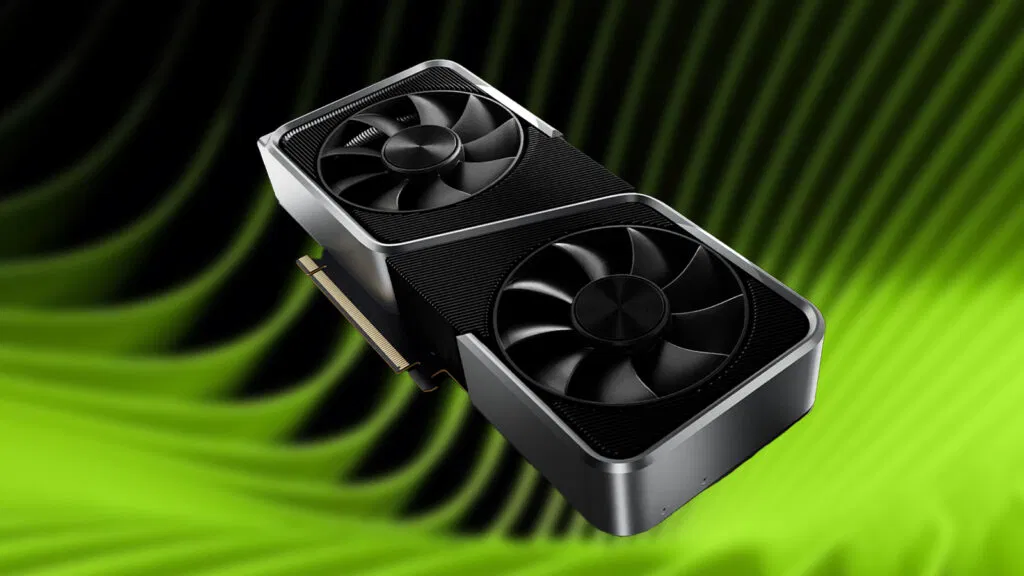

seniorspectrumnewspaper – Signs of strain are emerging across the graphics card supply chain, particularly affecting Nvidia’s RTX 50-series lineup. Several retailers may soon stop selling certain models entirely due to shortages and purchasing restrictions. The situation appears to be driven largely by limited availability and rising costs of GDDR7 memory.
Read More : Aetherion Max and Pro Bring 4K Dolby Vision to CES 2026
A German retailer has provided one of the clearest indicators of the problem. On Reddit, a user identified as Gb2753 explained that a distributor supplying graphics cards has imposed strict order limits. According to the post, the retailer can now order only five units of the RTX 5070 at a time.
More concerning, the distributor currently cannot supply higher-end RTX 50-series models. Customers cannot order the RTX 5070 Ti, RTX 5080, or RTX 5090 at all. This situation indicates that supply constraints affect not only entry-level and midrange offerings but also premium GPUs.
The distributor reportedly sent an email explaining the decision. The message cited difficult market conditions as the main reason for restricting orders. The company also cancelled some previously placed orders, affecting existing purchase commitments.
According to the retailer, only approximately €20,000 already spent on RTX 5070 GPUs remains secure. Customers who attempt to source additional inventory must work with alternative suppliers, which the distributor warns will charge significantly higher prices.
Reports of price inflation are already circulating. A recent rumor suggested that certain RTX 5090 models could reach prices as high as $5,000 in the United States. While unconfirmed, such figures highlight how severe shortages can distort market pricing.
Supply problems are not limited to Germany. Buyers in other regions, including Japan, have observed retailers placing restrictions on RTX 50-series purchases. These measures are intended to prevent hoarding and manage limited inventory.
Memory Shortages and Nvidia’s Strategic Shift Impact Consumers
The underlying cause of the shortages appears closely tied to memory availability. GDDR7 VRAM, used in Nvidia’s RTX 50-series graphics cards, has become increasingly difficult to source. AI data center demand is placing unprecedented pressure on global DRAM production.
As a result, memory manufacturers are prioritizing enterprise and AI-focused clients. Companies such as SK Hynix are reportedly allocating fewer resources to consumer-grade graphics memory. Cards equipped with 16GB of GDDR7 VRAM are considered especially vulnerable. This has further limited distribution channels for smaller retailers. The combination of cancelled orders and restricted purchasing is creating uncertainty across the market.
At the same time, Nvidia appears to be shifting its strategic focus. Multiple reports suggest the company is placing greater emphasis on AI accelerators rather than consumer GPUs. One recent report indicated that Blackwell graphics card production could be reduced by as much as 40% in early 2026.
Additional concerns have emerged regarding manufacturing practices. Nvidia is rumored to be shipping GPU dies to partners without attached VRAM. Such a move would allow flexibility but could also slow final assembly.
For consumers, the impact is increasingly severe. Gamers attempting to build or upgrade PCs are facing escalating costs. DDR5 memory prices were initially the main source of frustration. Storage prices have also begun to climb.
Read More : Clair Obscur Devs Say Fan Pressure “Not So Important”
Historically, graphics cards represented the single most expensive component in midrange and high-end PC builds. Current shortages threaten to push costs even higher. If more distributors follow the example seen in Germany, availability could deteriorate further.
Without improvements in memory supply or production priorities, the graphics card market may remain constrained. Retailers, builders, and gamers alike are bracing for continued volatility throughout 2026.