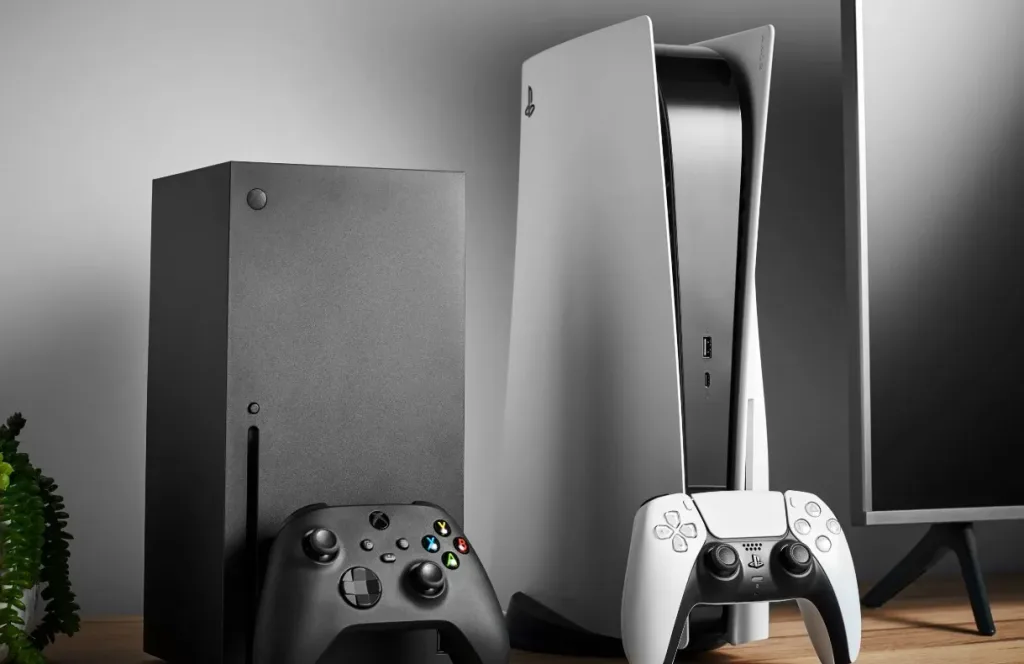

seniorspectrumnewspaper – Microsoft and Sony are reportedly reassessing the planned release timelines for their next-generation consoles, including the next Xbox and the PlayStation 6. The discussions stem from sharply rising memory prices that are complicating hardware planning across the technology industry. Similar to PC manufacturers, console makers are facing difficult choices between raising retail prices or waiting for supply conditions to improve.
Read More : OpenAI Adds Preparedness Role to Mitigate AI Risks
Industry expectations have placed the PS6 launch as early as 2027, with Microsoft and AMD jointly developing a new Xbox platform on a similar timeline. However, according to Insider Gaming reporter Tom Henderson, internal conversations have begun about potential delays. Henderson said the situation has prompted debate over whether the next console generation should slip beyond the previously anticipated 2027 to 2028 window.
The primary pressure point is memory pricing. DRAM costs have reached record highs, driven largely by demand from artificial intelligence data centers. Both Sony and Microsoft are expected to rely on GDDR7 memory for their upcoming consoles, which ties their production costs closely to the same supply chains affecting graphics cards and high-end PCs. Henderson noted that uncertainty around memory availability makes it difficult to lock in final hardware specifications without risking uncompetitive pricing.
For console manufacturers, the dilemma is strategic. Launching expensive hardware could reduce adoption rates, while delaying releases risks extending aging platforms longer than planned. As a result, both companies are monitoring market conditions closely before committing to final launch schedules.
Memory Market Uncertainty and Its Impact on Console Strategy
One alternative under consideration is raising the suggested retail prices of next-generation consoles. However, Henderson reported there is cautious optimism that memory prices could stabilize sooner than expected. Major suppliers such as Samsung and SK Hynix have the capacity to expand DRAM production, which could ease shortages if priorities shift away from AI-focused contracts.
At present, those suppliers appear focused on meeting demand from data centers, leaving consumer electronics manufacturers with limited negotiating leverage. The issue extends beyond consoles, as DDR5 memory for desktops and laptops, as well as VRAM used in GPUs, remains affected by constrained supply. This environment has already pushed PC gaming costs higher, a trend console makers want to avoid repeating.
The discussion has also raised the possibility of extending the current console generation. Analysts have pointed to slowing console sales in the United States, including a notable decline reported in November. Introducing significantly more expensive hardware in that climate could further dampen consumer demand. As a result, some industry voices suggest that Sony and Microsoft may prioritize promotions or price adjustments for the PlayStation 5 and Xbox Series X instead of rushing new devices to market.
Read More : Sleeping Dogs Movie Advances With Simu Liu as Wei Shen
Even that approach has challenges, as rising component costs affect existing consoles as well. Leaker Moore’s Law Is Dead has suggested Microsoft could raise prices on current Xbox models to offset expenses. Beyond Sony and Microsoft, Valve is reportedly facing similar pressures. Speculation indicates that Valve’s next Steam Machine, a compact Linux-based gaming PC, could also slip beyond its expected first-quarter 2026 launch due to high DDR5 memory costs. For now, neither Sony nor Microsoft has confirmed any delay. However, ongoing volatility in the memory market continues to cast uncertainty over the next era of console gaming.